
Dual Diagnosis Treatment in Pennsylvania
Co-Occurring Treatment Program in Pennsylvania for Lasting Recovery
When addiction and mental health challenges collide, recovery requires more than a single-focus approach. Our dual diagnosis treatment in PA offers integrated mental health and addiction treatment in Pennsylvania designed for individuals facing both substance use and emotional health conditions at the same time.
If you are struggling with alcohol or drug use alongside depression, anxiety, trauma, or other mental health concerns, you are not alone. Help is available now.
Get Started Today!

When Two Battles Become One
Co-occurring disorders refer to the presence of both a substance use disorder and a mental health condition occurring simultaneously. Many individuals searching for addiction support discover that depression, anxiety, PTSD, or mood disorders are deeply intertwined with substance use patterns.
So, what is co-occurring disorder treatment? It is an integrated clinical approach that treats addiction and mental illness together rather than separating them. Addiction and mental illness treatment must work in coordination. Addressing only one side often leads to relapse, worsening symptoms, or stalled progress.
Our Pennsylvania-based program provides structured, evidence-based care that targets both conditions through coordinated therapy, psychiatric oversight, and individualized planning. From the start, treatment focuses on the full picture of your health.
Conditions We Treat Together
Our dual diagnosis treatment in Pennsylvania addresses a wide range of mental health and substance use combinations.

Depression and Addiction Treatment
prevention.

Anxiety and Substance Abuse

PTSD and Addiction Treatment

Bipolar Disorder and Substance Use

OCD and Addiction

ADHD and Substance Abuse
Each pairing is evaluated individually, with treatment plans designed to reflect clinical needs and personal goals.
Our Process
How Dual Diagnosis Treatment Works
Many families ask how co-occurring treatment works in real life. Our integrated mental health and addiction care model follows a clear, structured process.
.png)
01

Comprehensive Assessment
02

Individualized Treatment Planning
03
.png)
Coordinated Therapy
04

Medication Management
05

Relapse Prevention and Mental Health Stabilization
Levels of Care That Meet You Where You Are
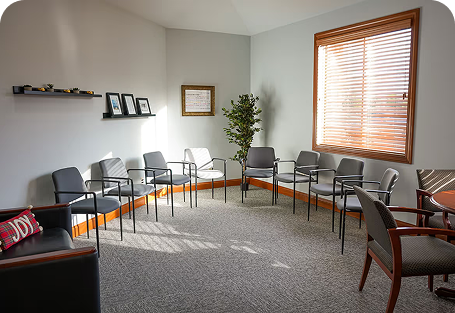
Our Pennsylvania location in Kennett Square provides multiple levels of outpatient mental health and addiction treatment.
Partial Hospitalization Program PHP for Dual Diagnosis
.png)
Intensive Outpatient Program IOP for Co-Occurring Disorders

Outpatient Mental Health and Addiction Treatment
Not sure which level fits your needs? Our admissions team in Pennsylvania provides confidential placement guidance.
Therapy That Connects the Dots
Integrated recovery relies on evidence-based approaches delivered by licensed clinicians with experience in dual diagnosis care.

CBT for Addiction and Depression

Trauma-Informed Therapy PA

Group Therapy for Dual Diagnosis

Individual Therapy

Family Therapy
Clinical teams coordinate regularly to maintain alignment between therapeutic goals and psychiatric care. This collaborative model strengthens continuity and measurable progress.

Treat the Root, Not Just the Symptoms
The risks of untreated mental health and addiction can be severe. When only addiction is addressed, unresolved anxiety, depression, or trauma may resurface and trigger relapse. When only mental health symptoms are treated,
ongoing substance use may interfere with medication effectiveness and emotional stability.
Integrated care reduces relapse risk, improves emotional regulation, and increases long-term recovery outcomes. Clients often report greater clarity, improved relationships, and stronger coping skills when both conditions receive equal attention.
If you or a loved one feels stuck in a cycle of substance use and emotional distress, comprehensive treatment offers a safer path forward.
Therapy That Connects the Dots
Finding addiction treatment that accepts insurance in PA should not add stress to an already difficult situation. Our admissions team verifies benefits quickly and confidentially.
We work with many major insurance providers and help families understand coverage for PHP, IOP, and outpatient services. Same-day assessments are often available for Pennsylvania residents seeking immediate support.
Rehab admissions in Pennsylvania begin with a simple call or online inquiry. Our team explains program options, schedules evaluations, and guides you through next steps.












Frequently Asked Questions
What is dual diagnosis rehab?
.png)
Dual diagnosis rehab is a treatment model that addresses both substance use disorders and mental health conditions at the same time using integrated clinical care.
Can mental illness cause addiction?
Mental health disorders do not directly cause addiction, though symptoms such as anxiety, trauma, or depression may increase vulnerability to substance misuse.
How long does dual diagnosis treatment last?
Program length depends on clinical needs and level of care. PHP and IOP commonly range from several weeks to a few months, with continued outpatient support available.
Is dual diagnosis treatment effective?
Integrated care has been shown to improve stability and reduce relapse rates compared to treating each condition separately.
Does insurance cover co-occurring treatment?
Most major insurance plans include behavioral health benefits that apply to dual diagnosis services. Our team verifies coverage before admission.
Can I continue working during treatment?
Many clients participate in IOP or outpatient programs that allow flexible scheduling.
Find Real Recovery Close to Home
Co-Occurring Rehab Near You in Pennsylvania
At New Horizons Recovery Centers, dual diagnosis treatment is delivered locally at our Pennsylvania center located at 312 W State St Suite 101, Kennett Square, PA 19348. Our clinical team provides structured, evidence -based care designed for individuals and families across the region.
If you are searching for a dual diagnosis treatment center in Pennsylvania that treats the whole person, help is available today. You do not have to manage addiction and mental health challenges alone.
Call now to speak with admissions or complete the confidential form below.
.png)